Idol Hands
This project started with an observation about where capitalism and artistry meet, specifically in the music industry. K-pop shows it more clearly than anything, and KATSEYE shows it most of all. The group was built by HYBE and Geffen, and in every way that matters, it belongs to them. The members are treated less like artists and more like assets, there to make money for the labels behind them. It's one of the most public examples of this I can think of.
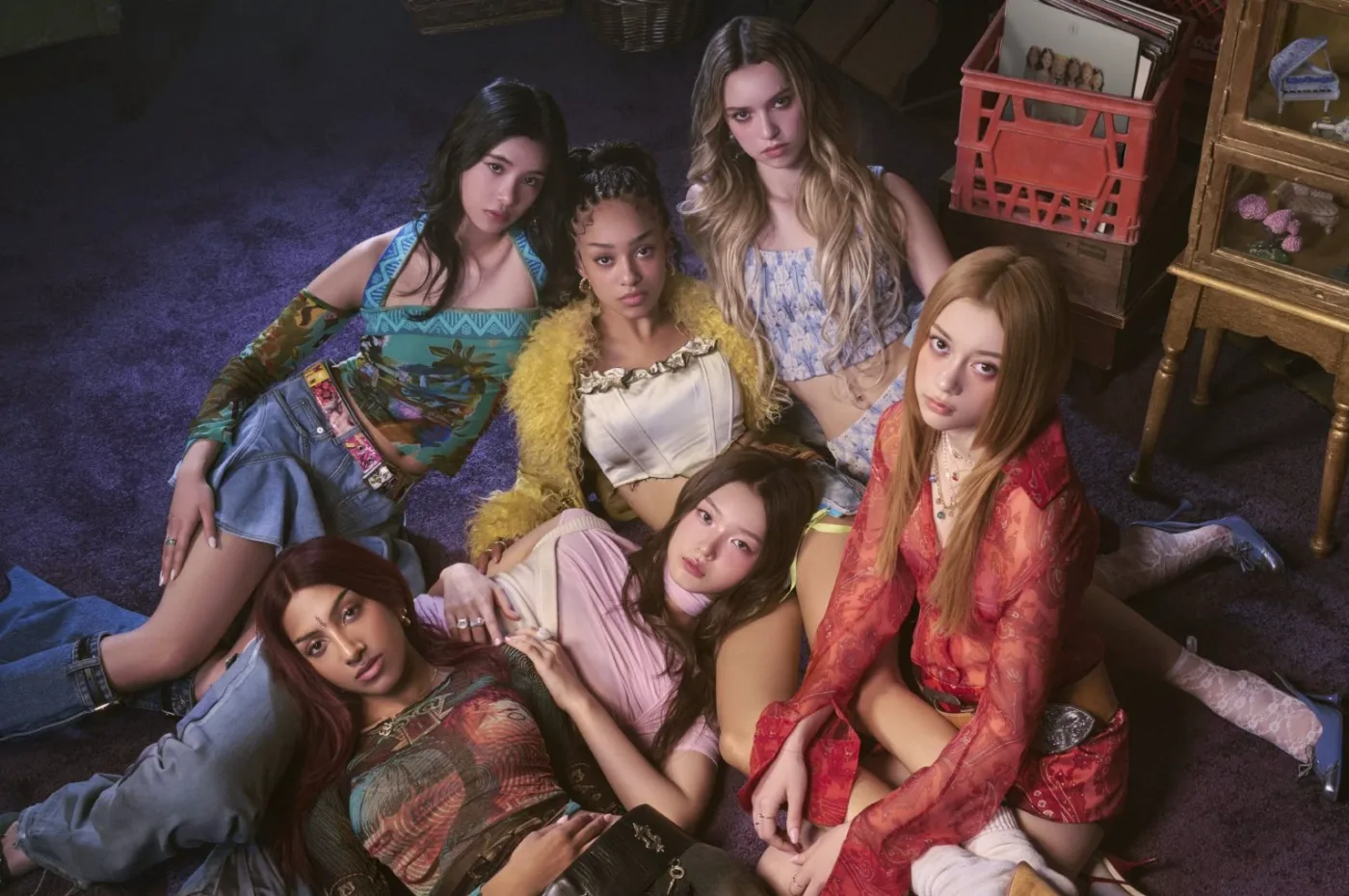
But the bigger subject is the enshittification of personality and culture, usually with venture capital behind it. We see it in food, with Wonder, Sweetgreen, Naya, Just Salad, Chopt, Avo and a million salad places that all feel like the same place.


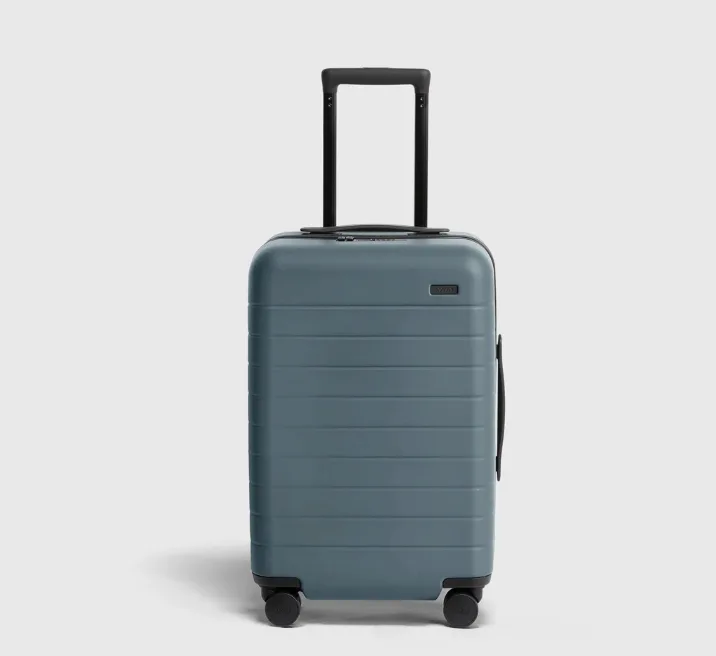
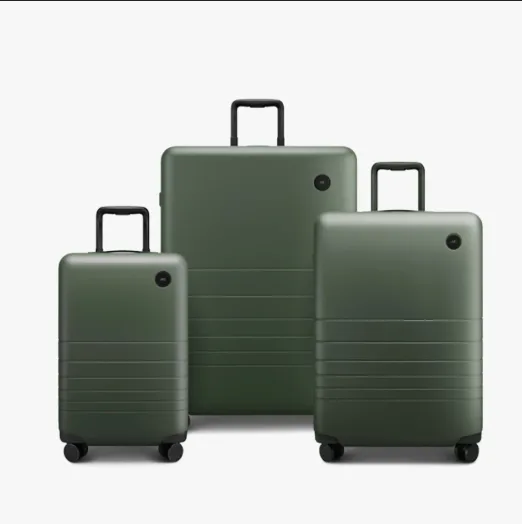
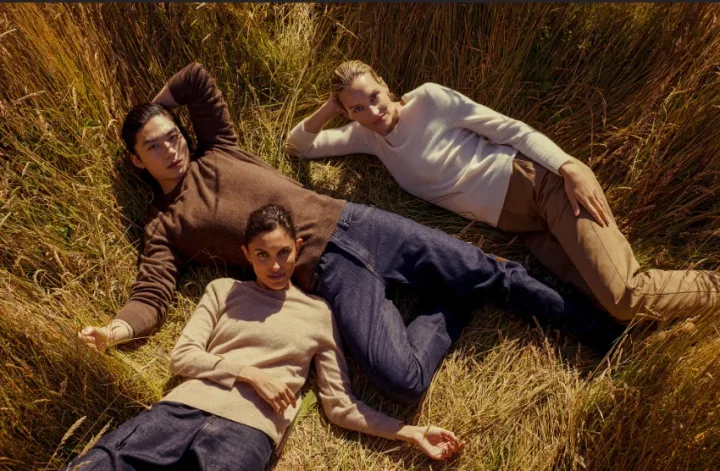
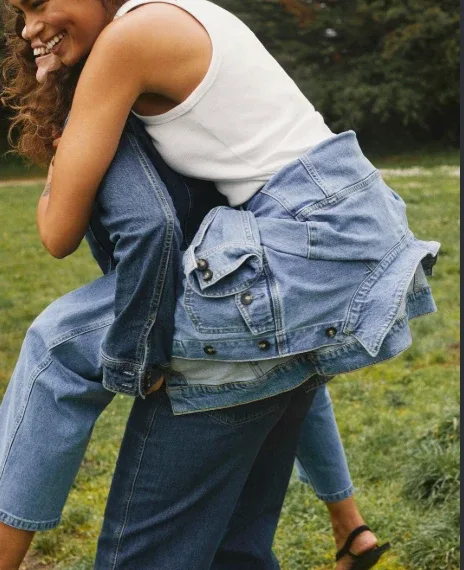
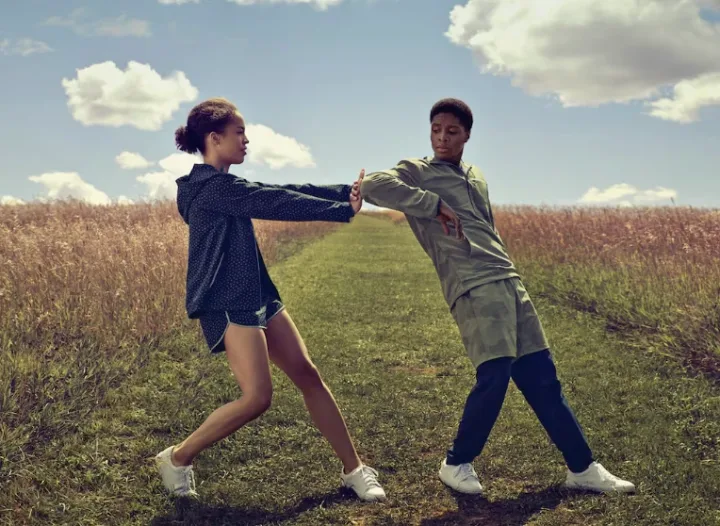
We see it in the things we carry and wear. Away and Monos sell the same suitcase. Quince, Everlane and Outdoor Voices sell the same calm, beige basics on the same sunny grass. And fast-fashion Instagram brands chase trends that last a week.
And now we see it in music: songs that sound like they could have been AI-generated, slick and frictionless, built to land with kids and to generate revenue.
That's my take. I find it strange how we've commoditized art into something that feels sterile yet still consumable. We've moved away from artistry toward whatever the focus group says will sell.
So this machine skips the pretending. Every song is three words. Every song is the same four chords, just rotated. While you sing, the screen counts TikTok views and shareholder value. And the score at the end isn't how well you sang. It's how much of the performers the label owns.
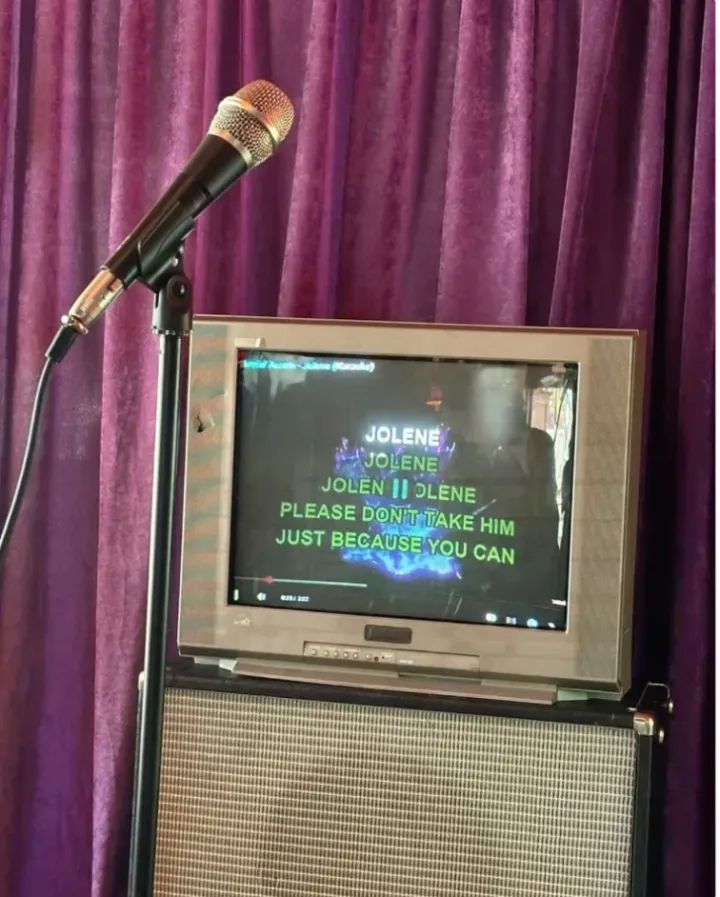
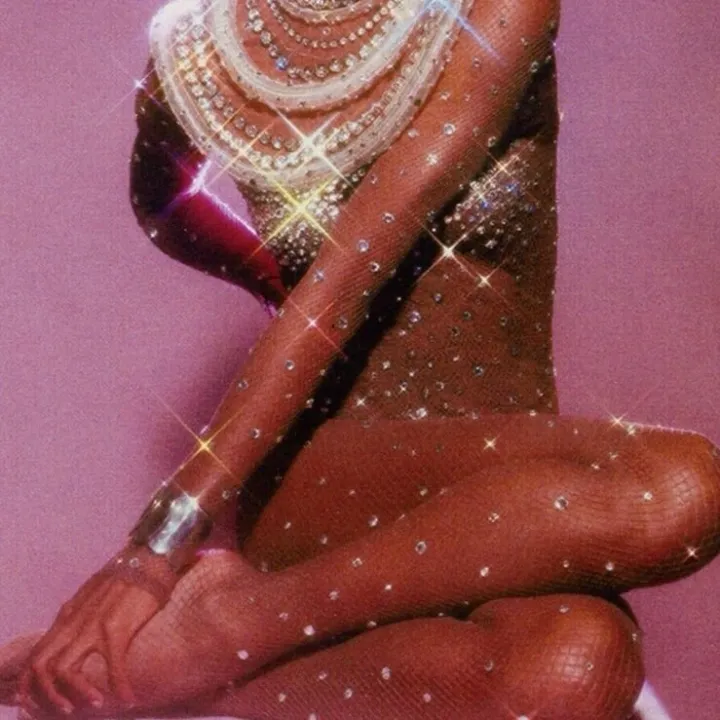
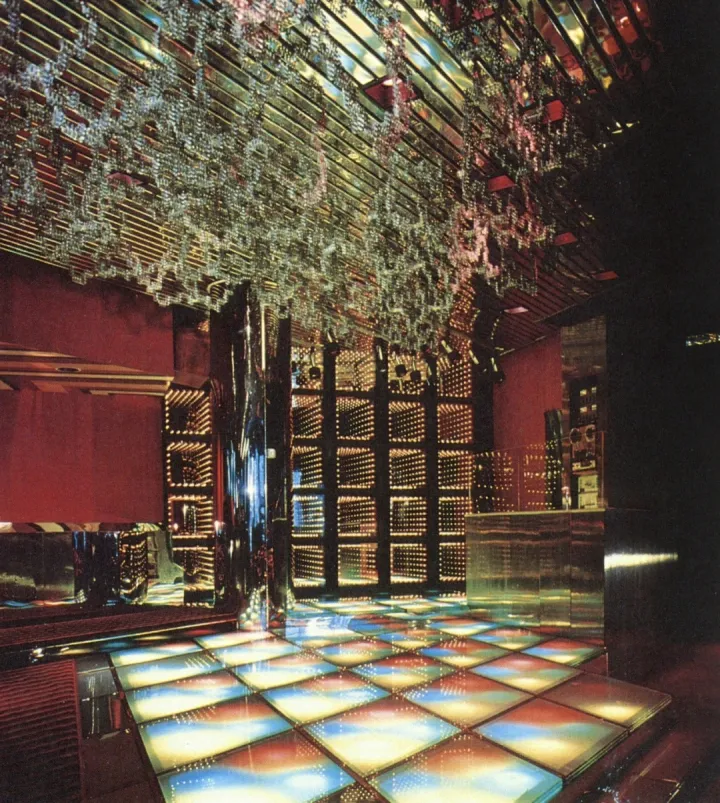
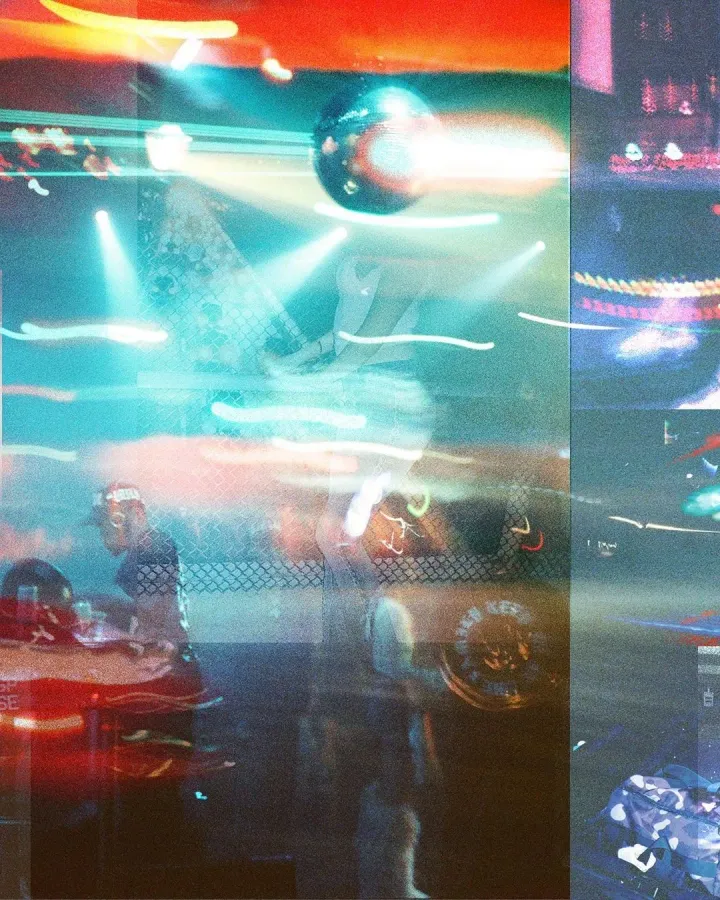
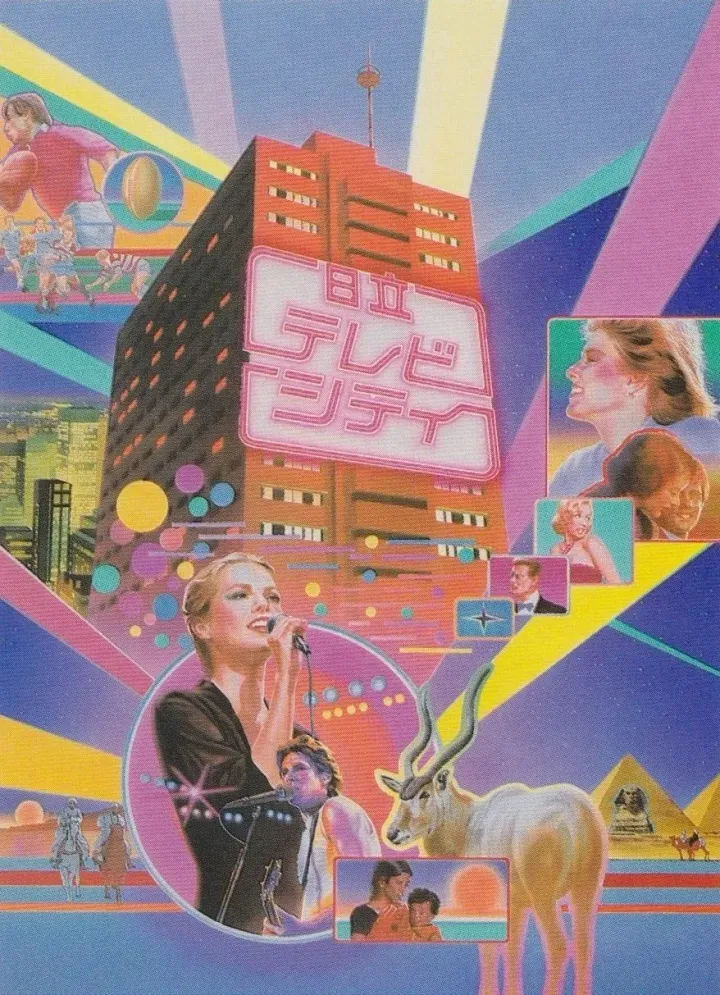
The form came from the same place. A karaoke machine running on a handful of simple chords felt like the right vessel, and it pulls from everything I love about pop's shinier corners: disco, hyperpop, kawaii culture and the polish of K-pop idols. In Korea and Japan, karaoke is its own nightlife, from noraebang to karaoke boxes, and I wanted this to carry that same nostalgic twang: a silver CRT, scanlines, and lyrics wiping across the screen in a dark room with your friends.

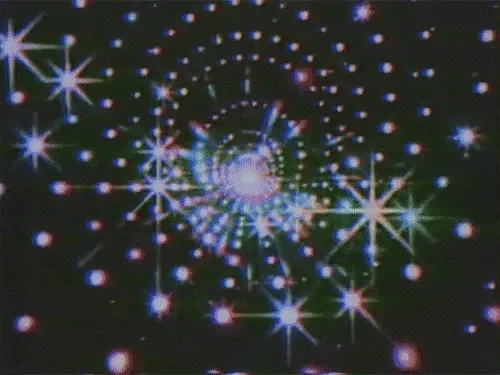
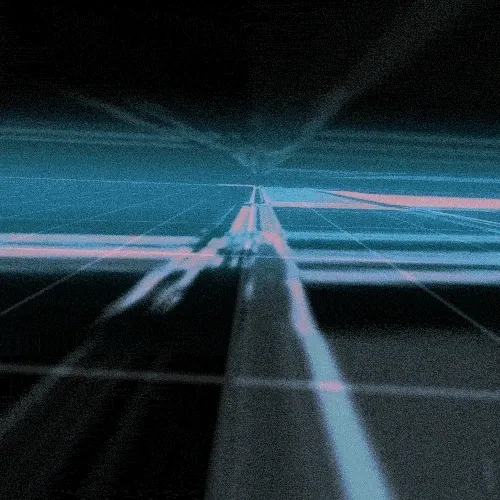

Everything here is made in your browser: the words, the beat, the melody, the tunnel of light. No samples, no recordings, no borrowed voices. Like a real karaoke machine, it plays the track. You do the singing.